For over 150 years, Section 124A of the Indian Penal Code made it a crime to bring or attempt to bring the government into "hatred or contempt" or to excite "disaffection" towards it. It was used against Bal Gangadhar Tilak and Mahatma Gandhi under British rule, and against journalists, students and activists after independence. The section was dropped in 2024, and its replacement in the new criminal code is now itself under challenge.
The old law and the 1962 limit
In Kedar Nath Singh v State of Bihar (1962), the Supreme Court upheld Section 124A but read it down. Criticism of the government, however strong, was not sedition. Only words or acts with a tendency or intention to create public disorder or incite violence would qualify.
In practice, police continued to register sedition cases for speeches, social media posts and slogans that came nowhere near that threshold, and conviction rates were very low.
Put on hold in 2022
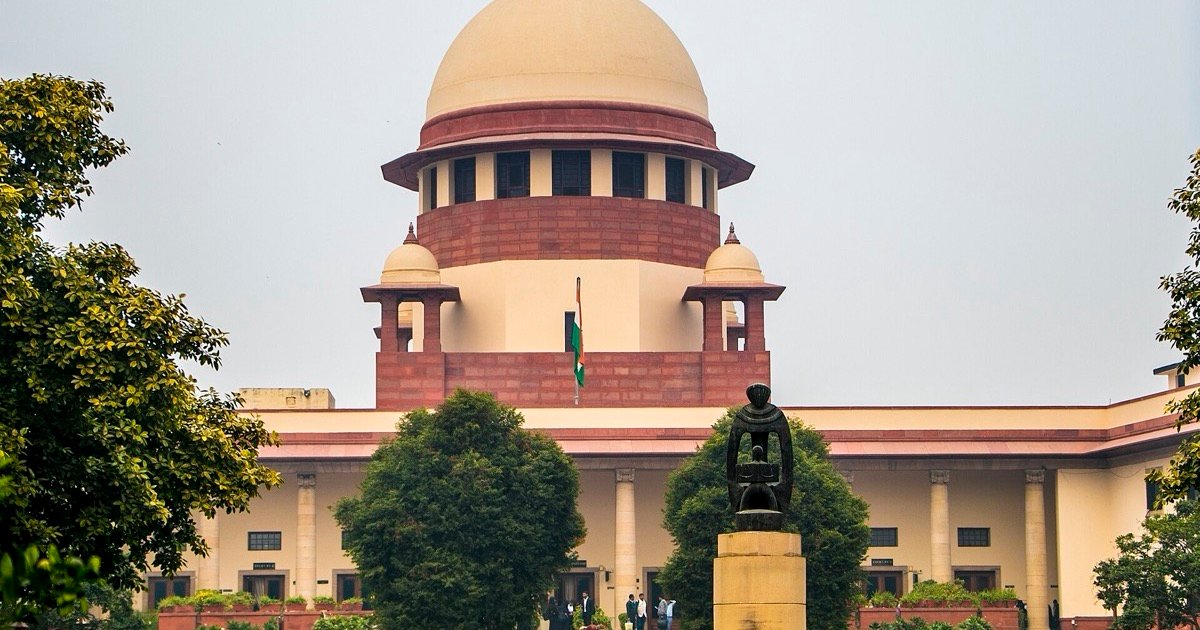
On 11 May 2022, in S.G. Vombatkere v Union of India, the Supreme Court took the unusual step of effectively putting Section 124A in abeyance. It asked the Union and states not to register new cases under it while the government re-examined the provision, and allowed those already charged to seek relief.
In 2023, the Law Commission in its 279th report recommended keeping the offence, with added safeguards and a higher maximum sentence.
The new criminal codes
The Bharatiya Nyaya Sanhita, 2023 (BNS) replaced the IPC from 1 July 2024. It does not contain an offence called sedition. Instead, Section 152 is headed "Acts endangering sovereignty, unity and integrity of India".
It punishes anyone who, by words, signs, visible representation, electronic communication, use of financial means or otherwise, purposely or knowingly excites or attempts to excite secession, armed rebellion or subversive activities, or encourages feelings of separatist activities, or endangers the sovereignty or unity and integrity of India. The punishment is imprisonment for life, or up to seven years, and a fine.
An explanation says comments expressing disapproval of government measures or actions, with a view to obtaining their alteration by lawful means, without exciting or attempting to excite these activities, do not constitute an offence.
Old section, new section
The offence is no longer about disaffection towards "the government" but about threats to the nation's sovereignty, unity and integrity. The explanation protecting lawful criticism survives in a new form, and financial means and electronic communication are now named in the text.
The objections
Civil liberties lawyers point to terms such as "subversive activities" and "feelings of separatist activities", which the BNS does not define. Vague terms leave room for wide police discretion, which was the core problem with Section 124A. The maximum sentence is still life imprisonment, and the offence is cognisable and non-bailable, so arrest can come before any court has examined the facts.
Supporters say the new section targets real threats to the nation rather than criticism of the government, and that the explanation protects dissent.
In court
The constitutional validity of Section 152 has been challenged. Until courts define "subversive activities", the FIRs registered under it are the best evidence of how narrowly or widely police are reading it.
Read the documents yourself
Spotted an error? Write to devv@bharatverseh.com. Every correction is listed in our corrections log.