The Union Cabinet chaired by Prime Minister Narendra Modi on 4 November approved two schemes with a combined outlay of Rs 17,314 crore: one to fund grid-scale energy storage, the other to help set up lithium and nickel processing plants in India. Information and Broadcasting Minister Ashwini Vaishnaw announced them after the meeting. The same Cabinet also changed the Agnipath scheme.
Energy storage: Rs 14,500 crore
The first is a viability gap funding scheme for 92 GWh of storage, running from 2026-27 to 2030-31. It gives financial assistance to projects that are yet to be commissioned, UNI reported.
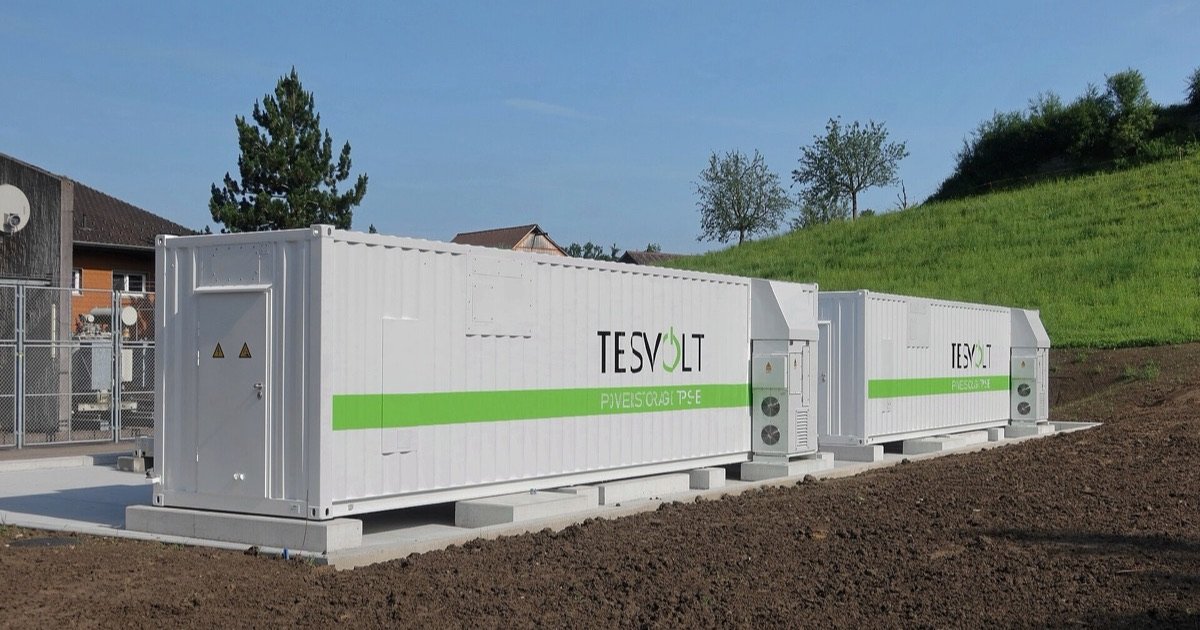
Of the 92 GWh, 60 GWh is to come from pumped storage projects, 30 GWh from battery energy storage systems and 2 GWh from emerging technologies. ETV Bharat, citing the official release, put total estimated investment at Rs 97,600 crore. Mercom India gave the period as financial years 2027 to 2031, which appears to be the same five years written differently.
Capacity will be allocated through tariff-based competitive bidding. Public and private power distribution companies are eligible for support on batteries and pumped storage. Battery projects must meet a minimum domestic content requirement of 40 per cent, ETV Bharat reported.
The purpose is to store surplus solar and wind power and release it when demand peaks or when renewable output falls. The release said the aim was also to "reduce import dependence and enhance the country's long-term energy security."
Critical minerals: Rs 2,814 crore
The second is a capital support scheme for processing lithium and nickel, also from 2026-27 to 2030-31. It covers four plants, two for each mineral, according to PSU Watch.
The government will pay a 30 per cent capital subsidy on eligible investment, capped at Rs 500 crore per lithium beneficiary and Rs 900 crore per nickel beneficiary. Each lithium plant must have a capacity of at least 30 kilotonnes and each nickel plant at least 50 kilotonnes.
Selection will be in two stages: technical qualification and then financial bidding, with the bidders seeking the lowest support winning. Payment comes in three tranches tied to milestones. Cobalt is expected as a by-product of nickel processing.
The official statement said India depends substantially on imports for refined intermediates, and named electric mobility, battery storage, electronics, defence and speciality steel as the sectors that need these materials. "This will give us huge benefit in terms of manufacturing," Vaishnaw said.
What to watch
The official statement lists battery storage among the sectors that need these minerals, which ties the two schemes together. The reports we read gave no timeline for bidding under either scheme. We have not yet read the full Cabinet release and will update this report if it adds to these details.
Read the documents yourself
- ETV Bharat, Cabinet clears Rs 14,500 crore energy storage scheme (4 Nov 2026)
- Mercom India, Cabinet approves viability gap funding for 92 GWh energy storage (4 Nov 2026)
- UNI, Cabinet viability gap funding scheme (4 Nov 2026)
- PSU Watch, Cabinet approves Rs 2,814 crore capex support for lithium and nickel plants (4 Nov 2026)
- UNI, Cabinet clears scheme for domestic lithium and nickel processing (4 Nov 2026)
Spotted an error? Write to muskan@bharatverseh.com. Every correction is listed in our corrections log.